

– SYSTEM GAPS –
Understanding the Unseen Crisis
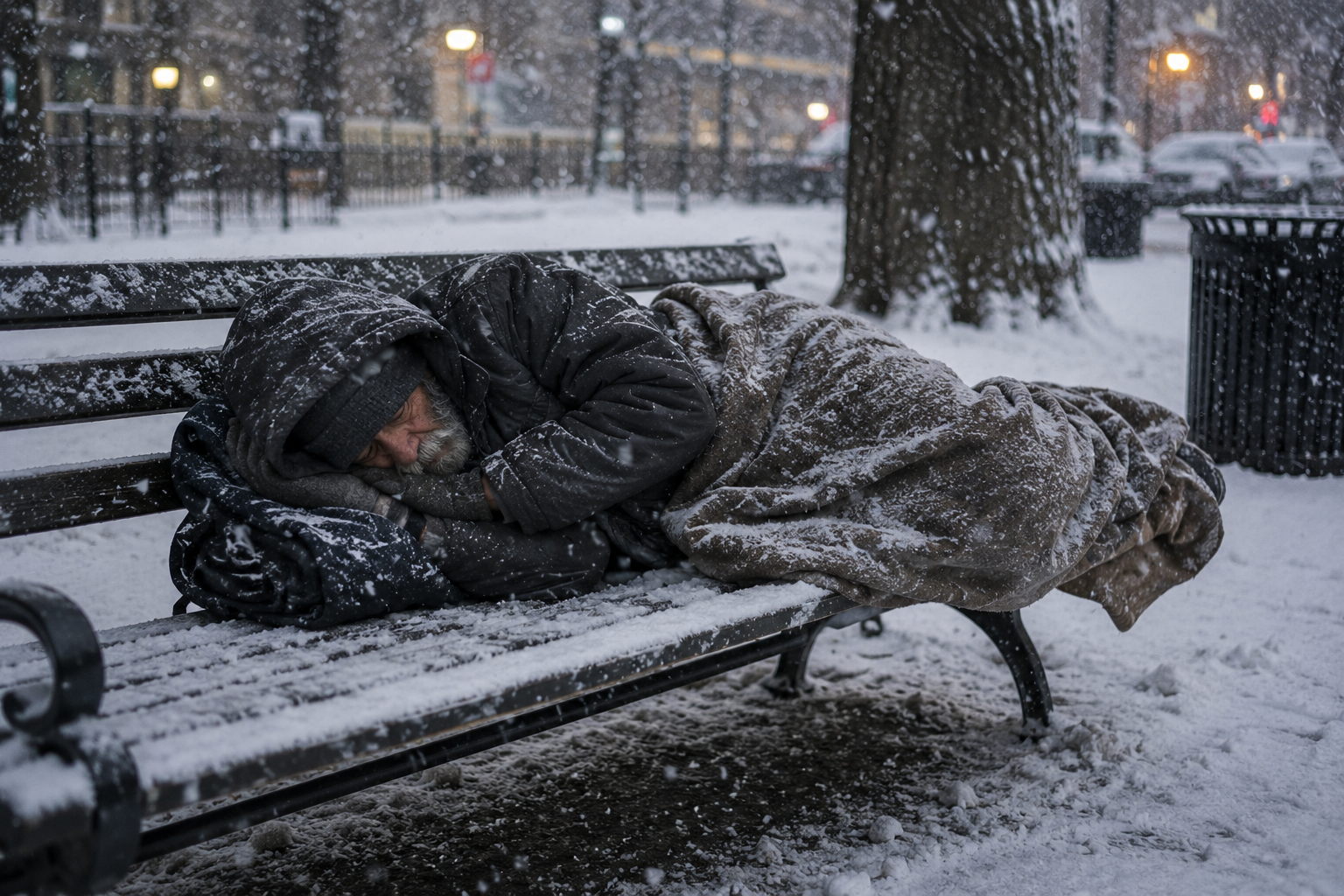
30%
VISIBLE
On The Streets
mostly men
often with mental illness
often with disabilities
often struggle with addiction
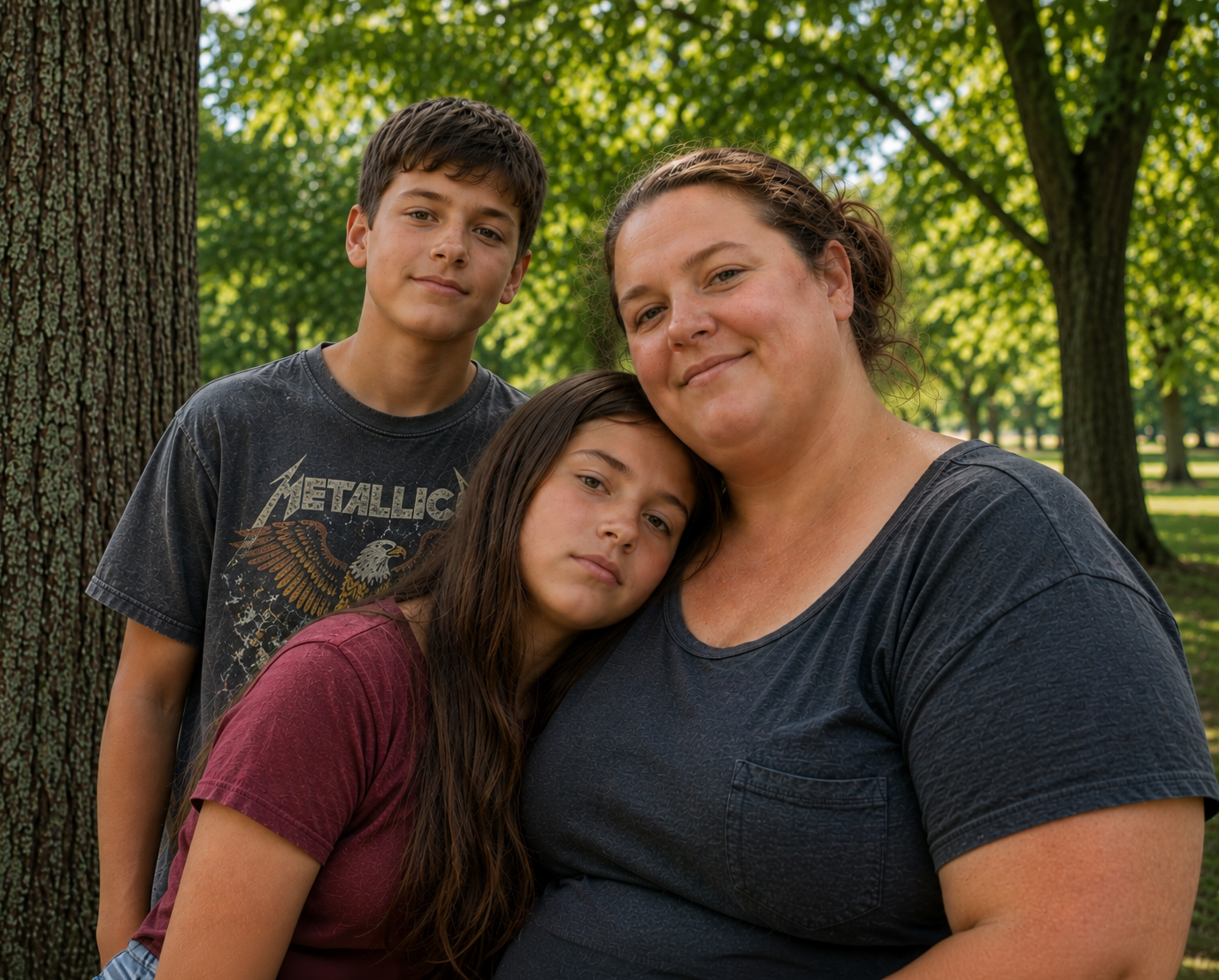
70%
INVISIBLE
Either homeless but live out of sight OR live unstably in cars or motels disqualifying them from services:
mostly families, some with pets
often working, but fell behind
don’t qualify for stabilizing supports
fear children will be removed if they reach out for help
Our Current System Centers the 30%.
The Rest Fall Through The Gaps.

Armina’s Story
“Lifeline has been a tremendous help getting me to a more stable place.
They connected me to resources, helped me financially, blessed my kiddos with Christmas gifts—and most importantly they gave me hope when I needed it most.”
9 Gaps In the System
That Keep People Stuck
GAP #1 Rules That Restrict Access
Many local programs operate under rules—like ID requirements, residency restrictions, or sobriety mandates—that block vulnerable individuals from getting the help they need.
These policies may be well-intentioned, but they create a gap in our shared goal: ensuring every unhoused person has a real chance at stability and success.
→ What happens to those who don’t qualify?
Lifeline works to remove barriers and ensure access for all.
GAP #2 Stigma & Resistance
Homelessness is still viewed through a lens of judgment, fear, and blame—especially when solutions are proposed in certain neighborhoods.
This stigma fuels restrictive policies and blocks the very progress we claim to support.
→ What would change if dignity shaped our policies?
Lifeline pushes for housing solutions grounded in compassion, not fear.
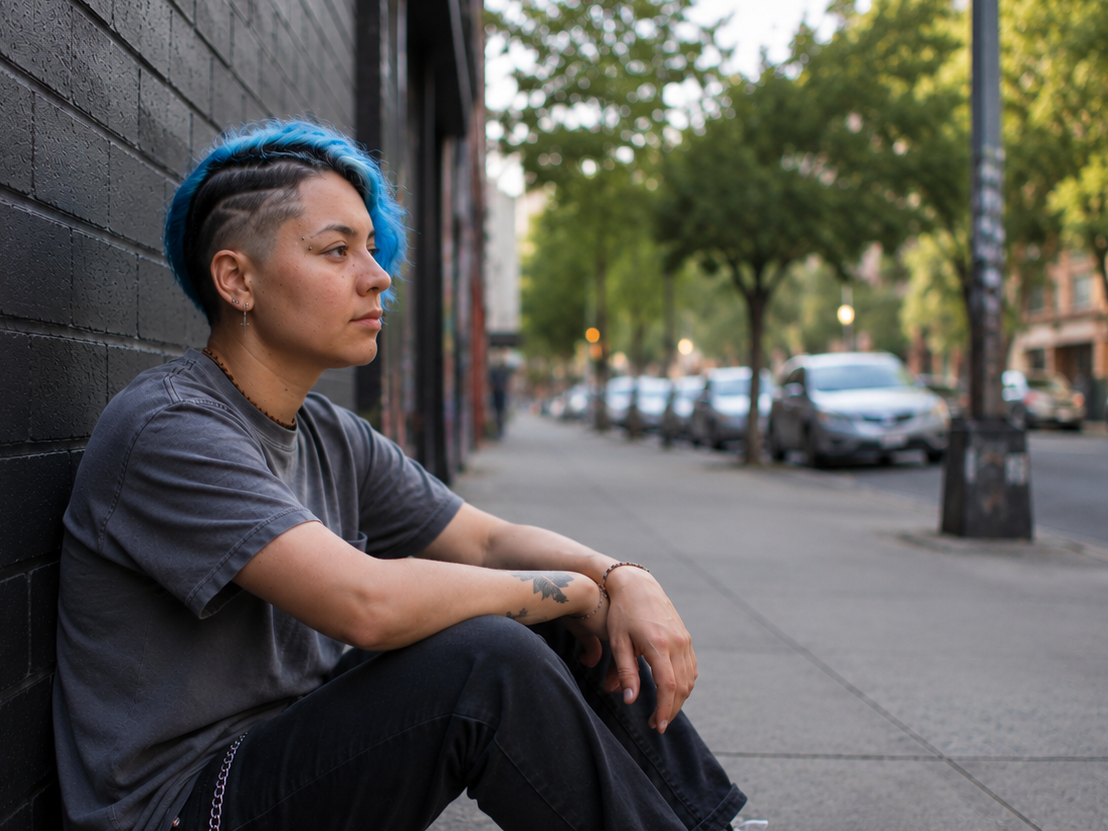
GAP #3 Identity-Based Exclusion
With strong roots in Christian Evangelicalism, many nonprofits in our area turn people away simply because of who they are, based on:
Their chosen gender identity.
Their sexual orientation.
Their different faith—or lack of one.
→ Do we, in fact, want stable housing for everyone?
Lifeline’s doors are open to all. No exceptions. No exclusions
GAP #4 The Myth of “Affordable Housing”
Most “Affordable Housing” initiatives are only required to set aside a handful units at reduced rates—yet they’re widely praised as solutions.
And even when someone obtains a Section 8 voucher, the landlord still decides whether or not to accept it. They can deny you for making too little, too much, or having a felony in your family.
→ Who is benefiting from affordable housing initiatives?
Lifeline isn’t just navigating the system—we’re challenging it.
GAP #5 Out of Reach Financial Bar
Even when someone is ready to maintain a stable home, they may be blocked by unrealistic income requirements, credit checks, or past evictions.
These barriers disproportionately penalize those who’ve already faced hardship—and keep doors to housing firmly shut.
→ If we’re committed to housing, why is the bar so high?
Lifeline believes basic housing should be affordable to all.

GAP #6 No Whole-Family Solution
Most shelter services are built for individuals—and often divide along lines of gender and age. But what happens to multi-age families—parents with teens and young children, sometimes with beloved pets?
They’re often forced to split up or live in tent communities just to stay together.
→ If a solution breaks up families, is it really a solution?
Lifeline advocates for models that keep families together.
GAP #7 Cart Before Horse
People are often expected to “just get a job” before they’ve had a chance to stabilize their health, find reliable transportation, or even secure a safe place to shower or sleep.
This premature approach ignores realities and the hierarchy of needs, and keeps people stuck.
→ If a solution breaks up families, is it really a solution?
Lifeline stands in the gaps and empowers stability, step by step.
GAP #8 The Mental Health Trap
Mental illness is both a cause and a consequence of homelessness—yet most systems aren’t informed or equipped to recognize the realities or respond effectively.
Many individuals suffer from schizophrenia and other illnesses (often undiagnosed) leaving them unable to access help or move forward..
→ How does one find stability when the process, the paperwork, etc. are inaccessible?
Lifeline walks with individuals others overlook—compassionately helping them navigate systems and access resources.
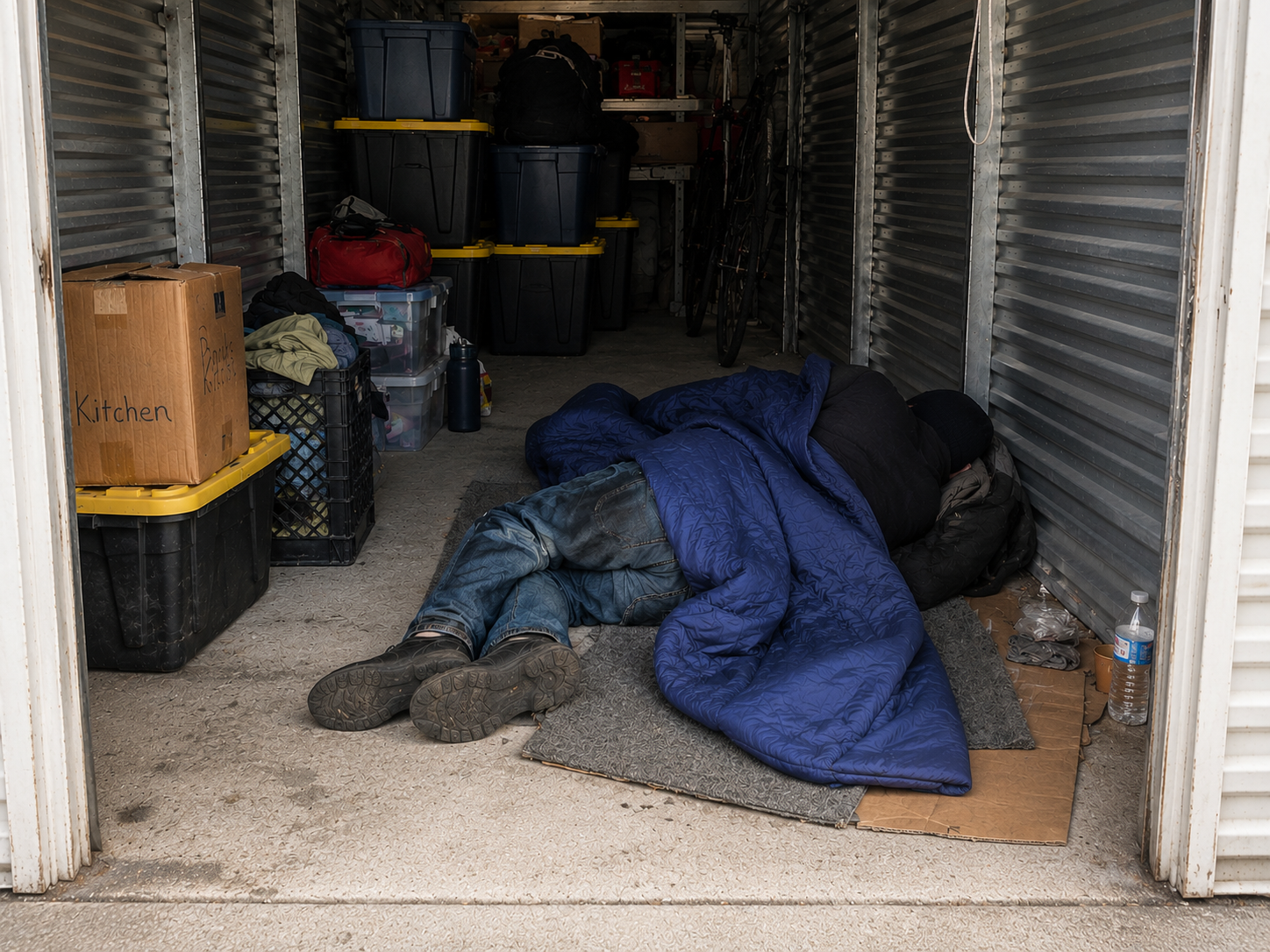
GAP #9 Out of Sight
Roughly 70% of unhoused people in our region aren’t living visibly on the streets:
They’re sleeping in cars and motels, rotating between couches,
or sheltered in tents within encampments on the outskirts of town.
This invisibility—driven by shame and stigma—skews the scale of the problem in our own backyard.
→ How can we solve problems we can’t see—or won’t face?
Lifeline reaches hidden, unhoused communities—and helps shine light on the unseen 70%.
Stand In The Gap with Us
Together, we can ensure dignity and stability for ALL in West Michigan.